Guard and Upgrade Your Deck: Professional Deck Staining Options You Can Rely On
When it pertains to maintaining a deck, professional staining services provide a dependable solution. These experts understand the nuances of various wood types and local climates, guaranteeing ideal protection and aesthetics. By opting for experienced experts, homeowners can avoid common pitfalls and conserve valuable time. However, selecting the appropriate service can be daunting. Understanding what to look for is essential to achieving lasting results. The journey to a beautifully stained deck starts here.
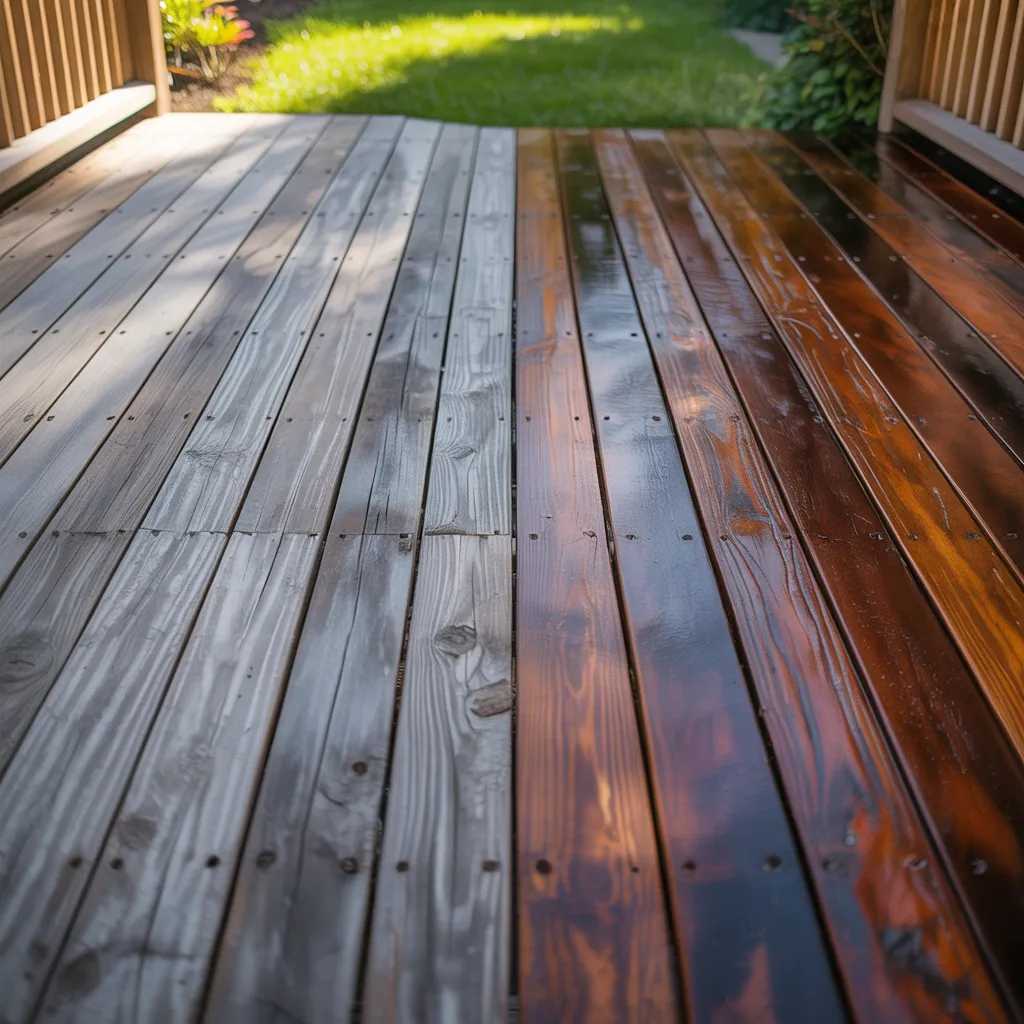
The Importance of Hiring Professionals for Your Deck's Staining Needs
When considering deck staining, homeowners often miss the advantages of employing professionals. Engaging experts ensures a higher quality finish, as they have the necessary skills and experience to handle various wood types and conditions. Professionals understand the intricacies of selecting the right stain, considering factors like wood porosity and local climate. Furthermore, they have access to specialized tools and equipment that make the process more efficient and successful.
Furthermore, professionals can preserve homeowners time and effort, allowing them to focus on other important tasks. They are also well-versed in safety protocols, minimizing the risk of accidents during the staining work. By hiring professionals, homeowners can achieve durable outcomes that enhance their deck's look and durability. Ultimately, the expenditure in professional services can lead to a beautifully stained deck that not only looks appealing but also offers safeguard against the elements for years to come.
Dodge These Typical Deck Staining Mishaps Before You Get Going
Many homeowners commit common mistakes in the process of deck staining, often causing unsatisfactory outcomes. One frequent oversight is neglecting proper surface preparation. Failure to clean the deck thoroughly can trap dirt and debris, stopping the stain from adhering effectively. Another common issue is selecting the wrong type of stain; choosing an oil-based stain on a surface that requires a water-based product can cause peeling and patchy coverage. Moreover, staining in direct sunlight is a bad idea, as it may cause the stain to dry too fast, resulting in blotchy patches. Many people overlook the importance of applying multiple thin coats instead of a single thick coat, which can reduce durability. Lastly, insufficient drying time between coats may lead to problems with the finish’s integrity. By steering clear of these errors, homeowners can achieve a more effective and long-lasting deck staining job.
Getting Ready for the Deck Staining Process
When evaluating deck staining, homeowners can anticipate a comprehensive preparation process that involves surface cleaning to guarantee ideal results. Following this, the staining process requires applying the chosen product evenly for a long-lasting finish. Understanding these steps can help establish realistic expectations for the project.
Preparation and Surface Cleaning
Preparing a deck for sealing involves a thorough cleaning process that guarantees ideal attachment and extended life of the stain. This foundational stage typically includes removing dirt, debris, and any existing finish through pressure cleaning or manual scrubbing. Professionals may use specialized cleaning solutions to eliminate mildew, algae, and other contaminants that could hinder the staining process. It's essential that the surface is dry before applying any stain to ascertain proper absorption. Additionally, any deteriorating boards or shifting nails should be remedied to avoid complications later. After cleaning, a final inspection is conducted to confirm that the surface is ready for staining, setting the stage for a successful application that enhances the deck's appearance and protection.
Coloring Technique Guide
The deck staining process develops through a sequence of well-defined steps that guarantee a seamless and successful application. Initially, the professional team examines the deck for any deterioration or areas requiring repair. After confirming the surface is clean and dry, they choose a premium stain appropriate to the wood type and desired finish. Application begins with edging, followed by brushing or spraying the stain evenly across the deck boards. Care is taken to avoid puddling and ensure uniform coverage. Once the first coat dries, a second coat may be applied for improved protection and color depth. Finally, the team provides guidance on drying times and maintenance, ensuring the deck remains beautiful and well-protected for years to come.
Tips for Picking the Appropriate Deck Staining Contractor for Yourself
Finding the perfect deck staining business can appear challenging, notably with many choices on offer. To make an informed decision, house owners should begin by researching local companies and looking at customer testimonials. A reliable company will have a portfolio highlighting their past accomplishments, allowing potential clients to gauge quality and style.
Moving forward, it's critical to question regarding the varieties of stains and sealants employed, as well as the application methods applied. This ensures that the chosen service corresponds with the homeowner's preferences for longevity and aesthetics. In addition, obtaining several quotes can deliver perspective into pricing and value.
Finally, examine the company's experience and whether they offer warranties for their work. Picking a service with a solid reputation and clear correspondence will ultimately lead to a more satisfying deck staining experience. By following these steps, homeowners can surely pick a service that meets their needs and enhances their outdoor space.
The Merits of Employing Top-Tier Stains and Protective Solutions
Putting money into top-level stains and sealants can substantially improve the longevity and appearance of a deck. These top-grade products offer necessary protection against moisture, UV rays, and temperature changes, which can cause wood bending and decay as time passes. By creating a reliable barrier, superior stains and sealants prevent mold and mildew growth, resulting in a fresher surface that is easier to maintain.
Additionally, premium stains often contain pigments that enhance the wood's natural beauty, deepening colors and highlighting grain patterns. This not only boosts the visual appeal but also increases value to the property. Superior materials typically offer better adherence and longer-lasting results, reducing the frequency of recoating. Ultimately, choosing these superior materials can lead to significant long-term cost reductions in maintenance costs while maintaining the deck's structural integrity and aesthetic charm. Investing in quality is a wise choice for any homeowner looking to protect their outdoor space.
How Many Times a Year Should You Re-Stain Your Outdoor Deck?
How often should homeowners think about re-staining their decks? Typically, it is advisable to re-stain a deck every two to three years, though various factors can affect this timeline. The type of wood, weather patterns, and the quality of the stain used all are important in determining the necessary frequency. In areas with harsh weather, such as intense sun or heavy rain, re-staining may be needed more frequently to safeguard the wood from damage. Homeowners should also watch for signs of wear, such as fading color or water absorption, which show that the protective layer has diminished. Regular maintenance checks can help in evaluating these conditions, ensuring that the deck remains in peak shape. Ultimately, staying proactive about re-staining can extend the life of the deck and preserve its aesthetic appeal, making it see this a worthwhile investment for homeowners.
Guidelines for Maintaining Your Newly Stained Deck Appearance Remaining Fantastic
To guarantee a newly stained deck maintains its beauty and durability, homeowners should put into practice a few essential care practices. Regular upkeep is vital; using a broom or leaf blower to eliminate debris avoids mold and mildew formation. A light cleaning with soap and water can take away dirt without damaging the stain.
Homeowners should likewise refrain from harsh chemicals, as these can strip the finish. Instead, selecting a pH-balanced cleaner will protect the stained surface.
Additionally, placing mats at entry points reduces dirt and water tracked onto the deck. This easy measure can significantly extend the life of the stain.
Conclusively, consistent inspections for traces of deterioration or lightening enable immediate fixes, guaranteeing the deck stays energetic and well-maintained. By respecting these guidelines, homeowners can delight in a stunning and resilient deck for years to come.
Often Asked Questions
What Duration Should You Expect for Deck Stain Application Work?
Deck staining typically takes one to two days to finish, based on the deck's dimensions and weather conditions. Adequate prep work and drying periods are essential for achieving optimal outcomes and durability of the stain.
Should I Stain My Deck After It Rains?
It is inadvisable to stain a deck right after rain. The deck should remain totally moisture-free to ensure correct bonding and penetration of the stain, typically needing 24 to 48 hours after rainfall.
What Readiness Is Necessary Before Applying Stain to My Deck?
Prior to applying stain to a deck, you should clean it thoroughly, making sure all dirt and debris are eliminated. Allow the surface to dry completely and check for loose boards or damage that may need repair.
Do eco-friendly coating options exist?
Yes, many environmentally safe staining options are available, including water-based stains and those produced from natural oils. These products reduce toxic chemicals, thus making them safer for the environment while efficiently protecting and enhancing the deck's appearance.
Does Coating My Deck Eliminate Mold and Mildew?
Applying stain to a deck can greatly reduce the chance of fungal growth by establishing a defensive shield against water exposure. This protective layer maintains the wood dry, preventing the growth of undesirable microorganisms and guaranteeing durability.